RW
Reid Wiseman
NASA · Commander
Chief of the Astronaut Office at the time of selection.
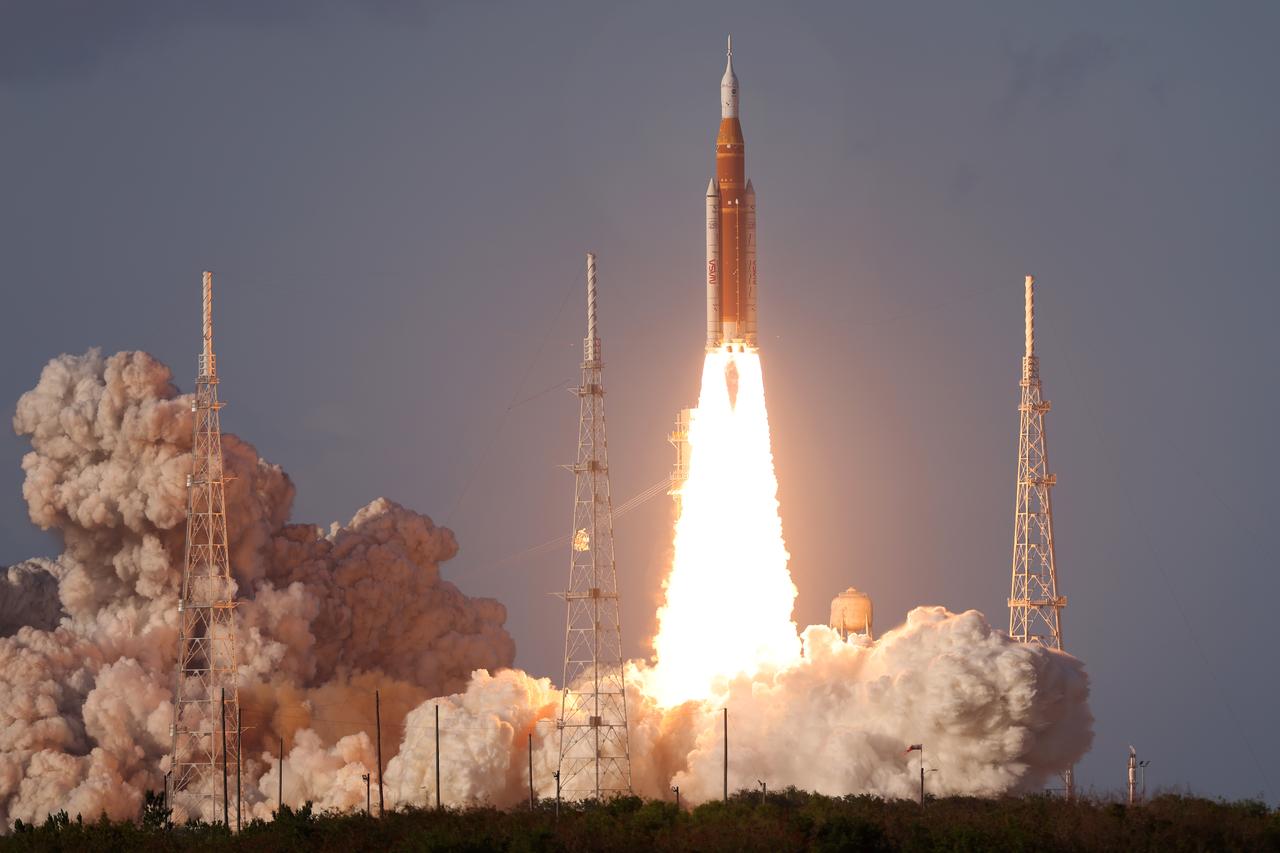
Artemis II flew its four-person crew around the Moon and back in April 2026 — the first crewed lunar flight since Apollo 17. NASA’s next flight, Artemis III, is an Earth-orbit docking demo targeted for mid-2027. At Kennedy, RS-25 installation began August 24 and booster stacking is underway. The first crewed landing is Artemis IV in 2028.
01 / 06
The road back
Artemis is a sequence, not a single mission — an uncrewed shakedown, a crewed flyby, an Earth-orbit docking demo, then the first landing.
Artemis I · Nov 2022
SLS Block 1 sent Orion on a distant retrograde orbit beyond the Moon. Heat shield and deep-space systems proved out uncrewed.
Artemis II · Apr 2026
Four astronauts flew a free-return trajectory past the far side, exercising Orion life support with people aboard for the first time since 1972.
Artemis III · Mid-2027
Four crew on Orion in low Earth orbit to rendezvous and dock with Starship HLS and/or Blue Moon pathfinders. NASA’s public target is mid-2027. This is not a lunar landing.
Artemis IV · 2028
NASA’s current target for the first crewed south-pole landing is early 2028. Which commercial lander flies it depends on who is ready — SpaceX Starship HLS or Blue Origin Blue Moon.
02 / 06
II flown · III named
Artemis II left low Earth orbit in April 2026 — the first humans beyond LEO since Apollo 17, and the first woman and first Black astronaut on a lunar mission. NASA named a separate Earth-orbit crew for Artemis III on June 9, 2026.
Artemis II · flown
NASA · Commander
Chief of the Astronaut Office at the time of selection.
NASA · Pilot
First crewed Orion pilot; flew Crew-1 to the ISS.
NASA · Mission specialist
Holds the record for the longest single spaceflight by a woman.
CSA · Mission specialist
First Canadian and first non-American to fly to the Moon.
Artemis III · named June 2026 · Kennedy visit September 2
NASA · Commander
Named June 9, 2026. Shuttle and ISS veteran; commands the Earth-orbit docking demo.
ESA · Pilot
Two ISS expeditions. First European to pilot Orion.
NASA · Mission specialist
Artemis II backup and closeout crew; first flight assignment.
NASA · Mission specialist
Longest single U.S. spaceflight (371 days, 2022–23).
NASA · Backup
Named June 9, 2026. Trains with the prime crew and would fly if one of them cannot. Visited Kennedy with them on September 2.
03 / 06
Program milestones
4 of 6 tracked gates are behind us — Artemis III hardware is stacking at Kennedy for an Earth-orbit docking demo, not a landing.
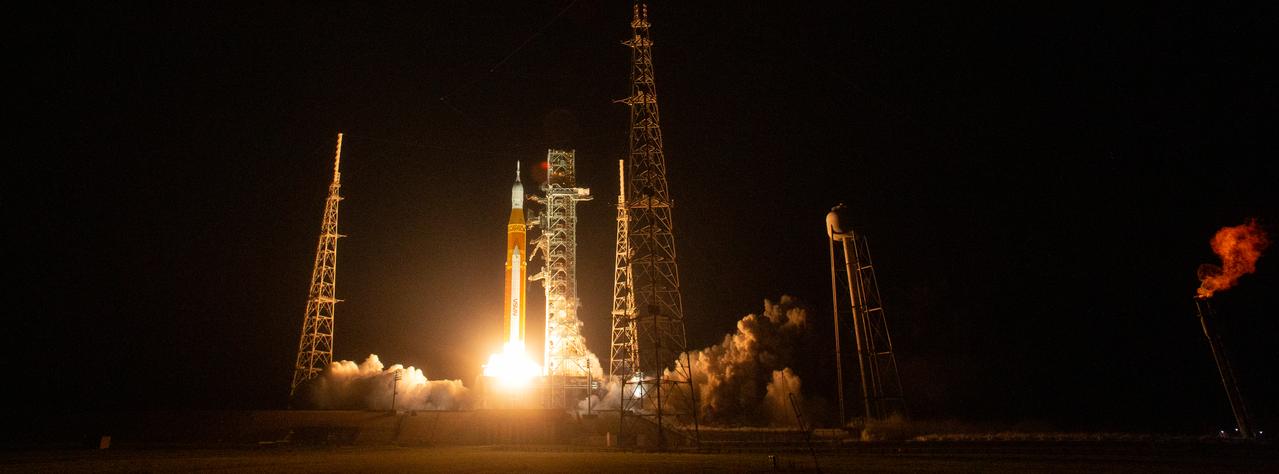
SLS Block 1 sent Orion on a distant retrograde lunar loop; the capsule survived reentry at lunar-return speed.
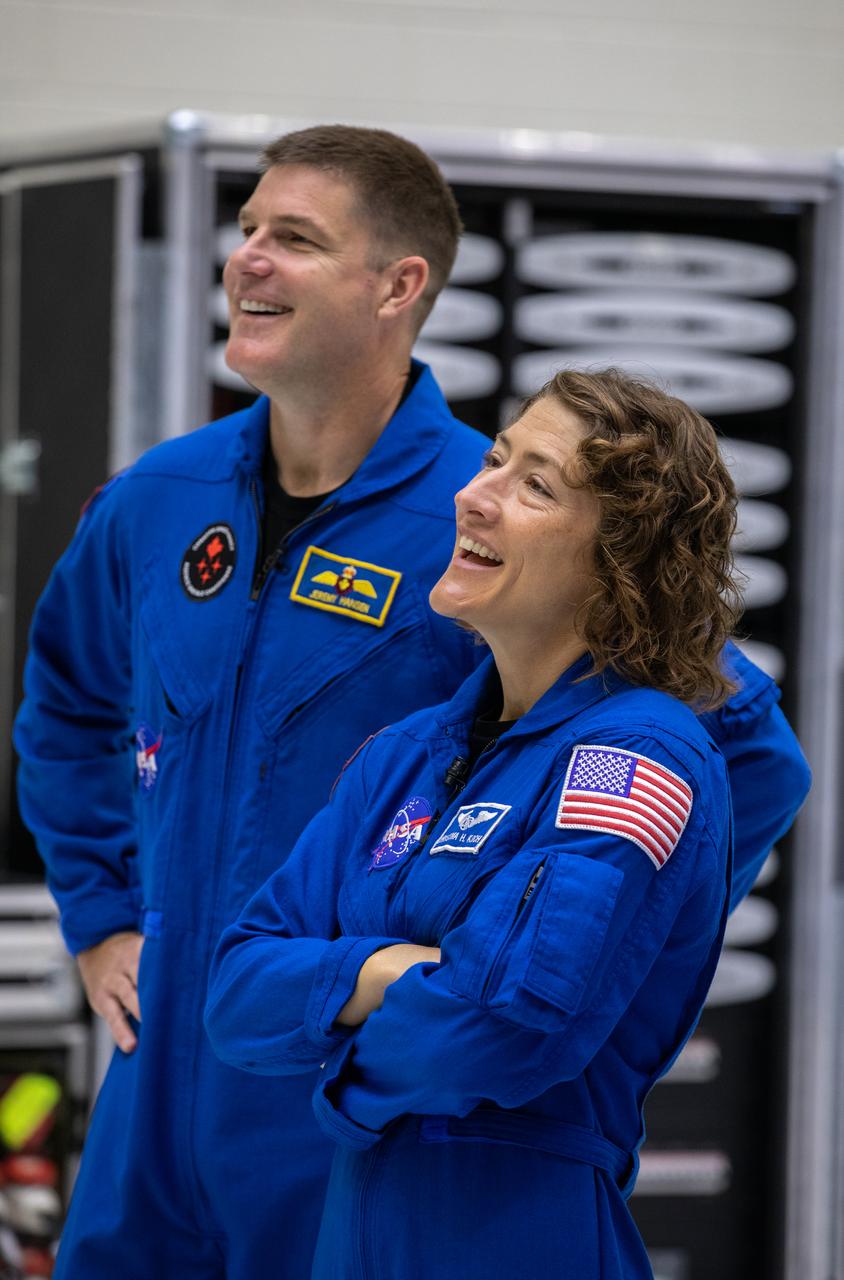
NASA named Wiseman, Glover, Koch, and Hansen as the four-astronaut crew for the first crewed lunar flyby.
The crew flew a free-return trajectory around the Moon, tested Orion life support, and returned safely to Earth.
NASA named Bresnik, Parmitano, Douglas, and Rubio on June 9, 2026, with Bob Hines as backup, for the mid-2027 Earth-orbit docking demo.
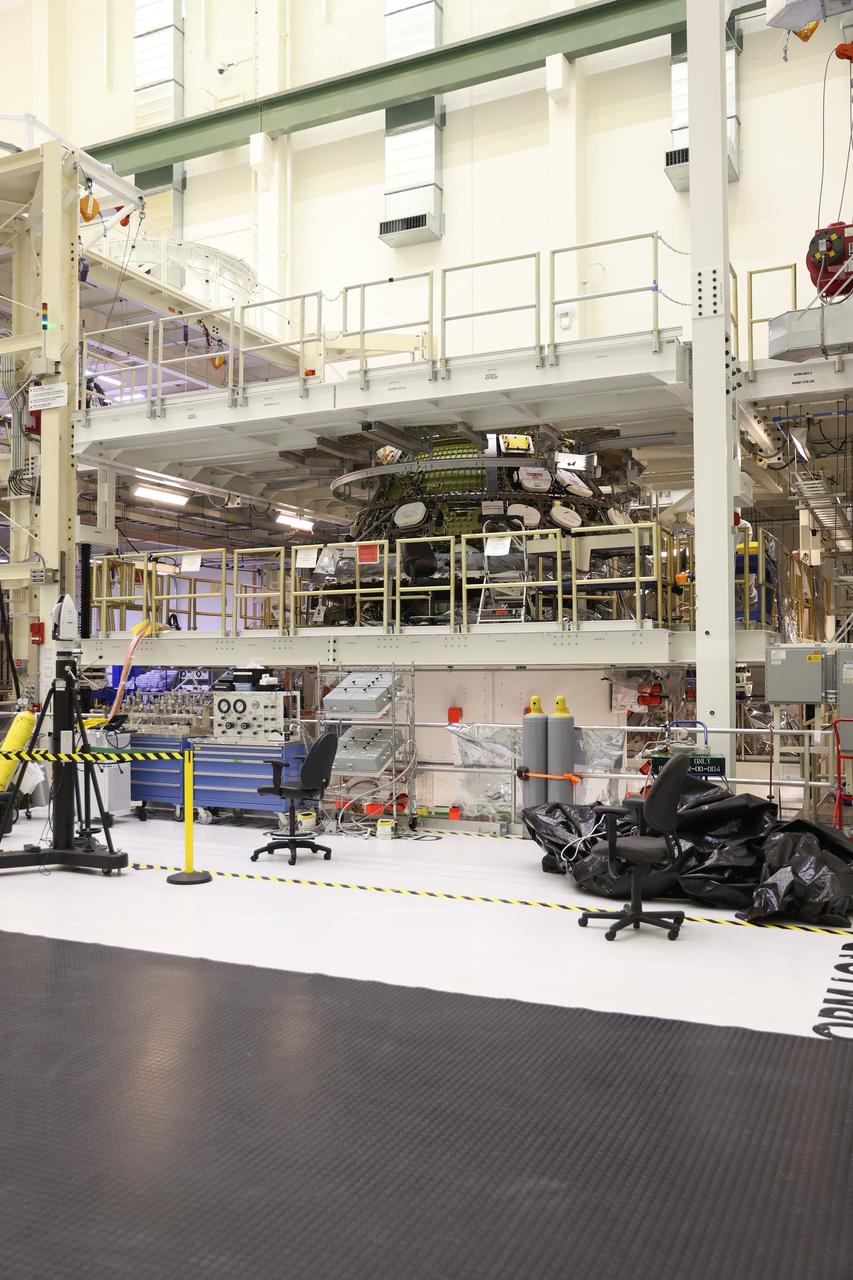
The core is in the VAB. RS-25 installation began August 24. Northrop Grumman said August 31 that three of five booster segments were stacked. The crew viewed that work on September 2. This stack is for an Earth-orbit docking demo, not a landing.
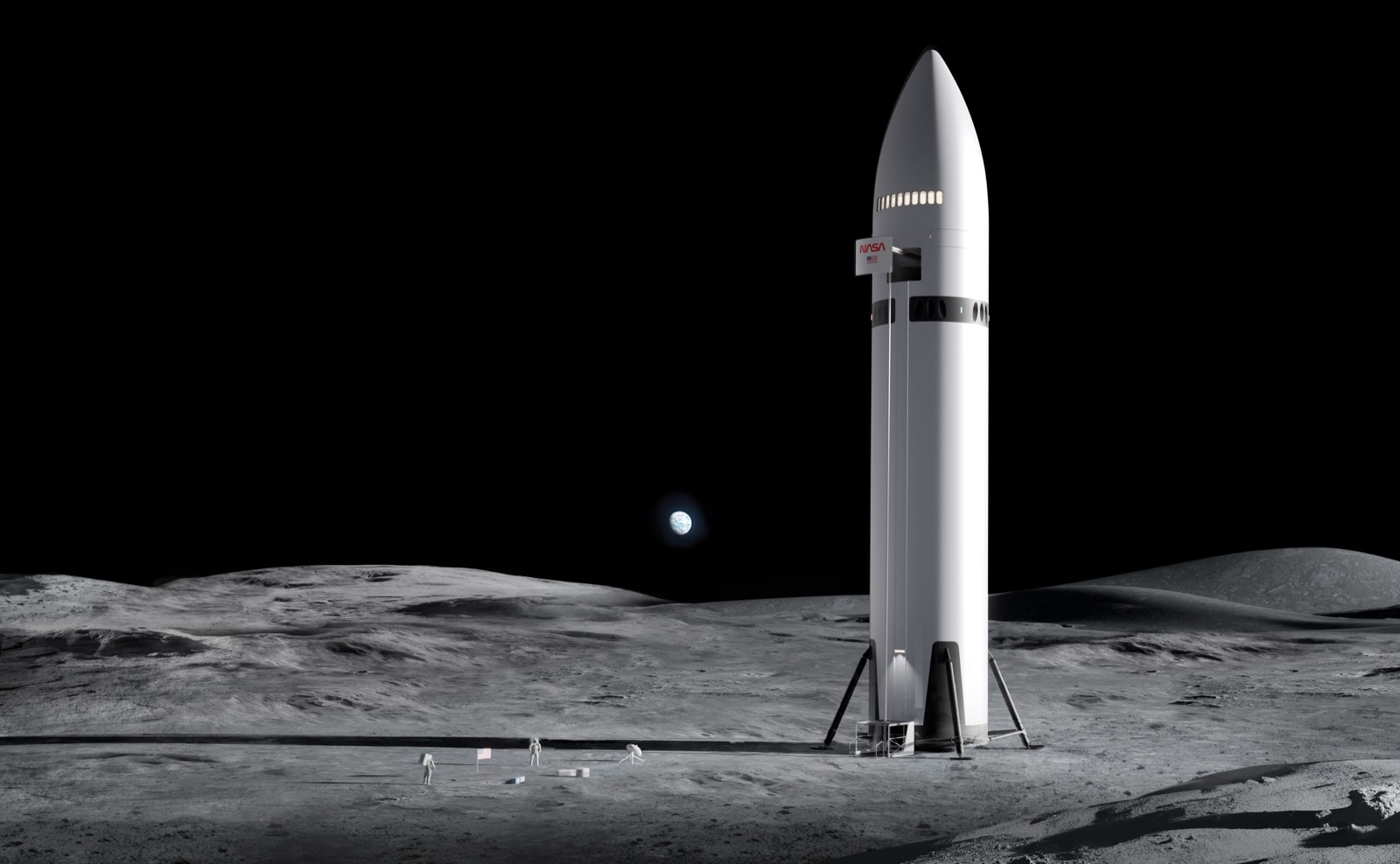
NASA’s current target for the first crewed landing is early 2028. Lander provider is not locked between Starship HLS and Blue Moon.
04 / 06
Orbit first, then landing
NASA added an Earth-orbit docking demo as Artemis III and moved the first crewed landing to Artemis IV. Two commercial landers are in the campaign — Starship HLS and Blue Moon.
SLS Block 1 lifts Orion from LC-39B. For Artemis III, NASA is using an inert spacer in place of the Interim Cryogenic Propulsion Stage — the mission stays in Earth orbit.
Orion’s European service module circularizes in low Earth orbit. The crew stays aboard longer than Artemis II and demonstrates docking hardware.
NASA’s plan is to rendezvous with one or both commercial lander pathfinders — SpaceX Starship HLS and Blue Origin Blue Moon Mark 2 — before anyone flies a landing.
Artemis IV is the first crewed south-pole landing on the current NASA plan. Lander assignment is not locked; AxEMU suits remain a surface-mission gate.
05 / 06
What gates the next flight
Preparedness here is not an official NASA launch probability. It tracks public Artemis III signals — core-stage stacking at Kennedy, the Earth-orbit docking demo, Orion flow, lander pathfinders, and the gates that must close before the next crewed flight.
RS-25s installing
The Artemis III core is in the VAB. NASA began installing four Shuttle-flown RS-25s — E2054, E2057, E2048, and E2052 — on August 24. NASA has not posted that the install is finished. Booster stacking continues beside it.
Between missions
Orion hardware for the next flight moves through Kennedy's Operations and Checkout Building. NASA has not announced a fully stacked Artemis III spacecraft.
Dual-provider demo
Artemis III is planned as a docking demo with Starship HLS and/or Blue Moon pathfinders in Earth orbit. NASA has not published an integrated demonstration date.
Named · training
NASA named Randy Bresnik, Luca Parmitano, Andre Douglas, and Frank Rubio on June 9, 2026, with Bob Hines as backup. The prime crew and backup visited Kennedy on September 2 and are in Orion and flight-control training. This crew is for the Earth-orbit demo, not a landing.
NASA target mid-2027
NASA’s public target for Artemis III is mid-2027. That is not a launch window. Catalog dates remain placeholders until NASA commits to one.
Proven on Artemis II
LC-39B, mobile launcher 1, and the crawlerway supported two SLS campaigns. NASA is standardizing on Block 1; Block 1B and ML-2 are cancelled.
06 / 06
References
Primary program records used for this tracker. Readiness figures are editorial estimates from public signals — not an official NASA launch probability.