 Manifest / 01
Go
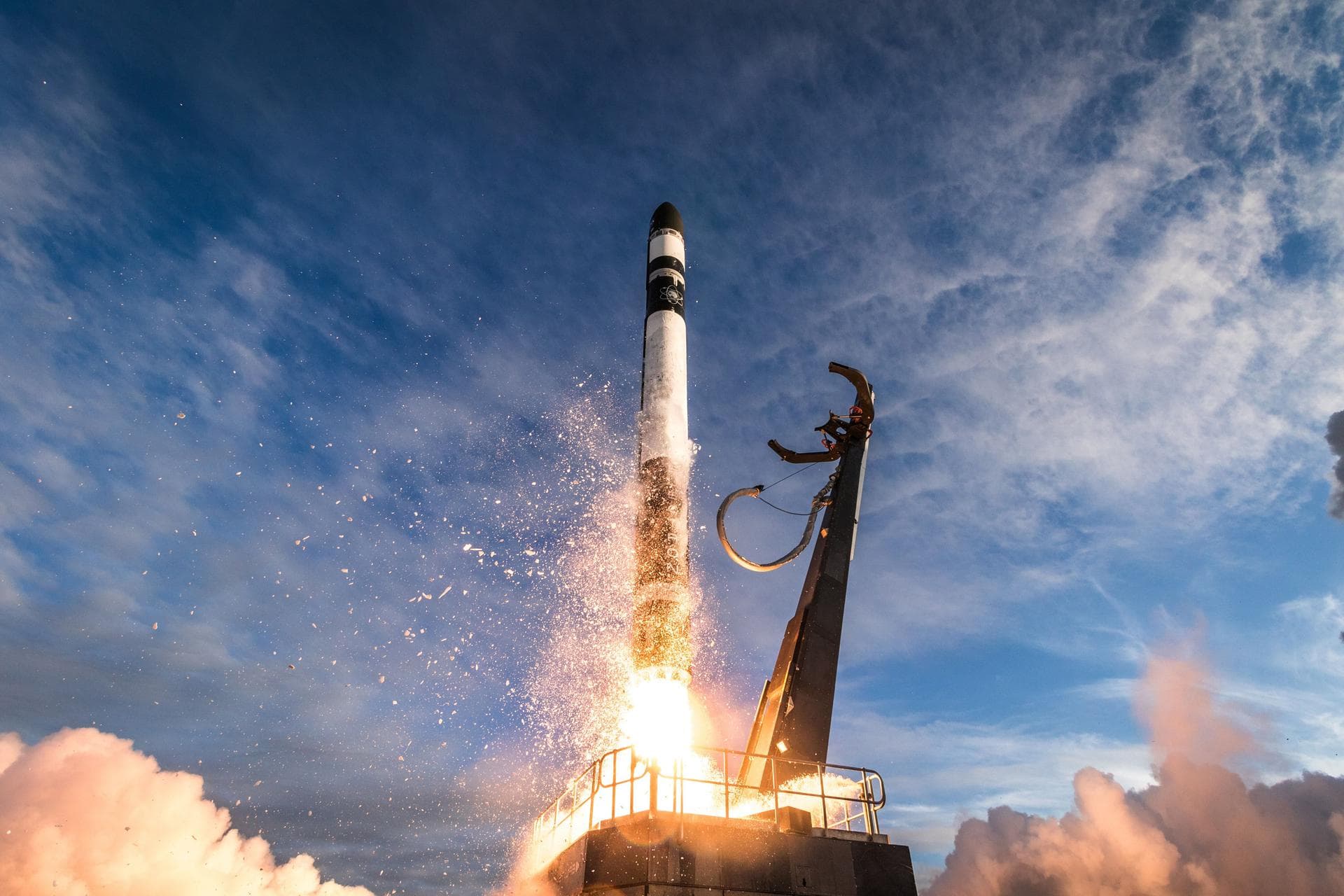
The Lightning God Defends (iQPS Launch 8)
Electron
ProviderRocket Lab
PadUnknown Pad
DateAug 20, 2026
Time (UTC)01:00 PM UTC
Launch clockT– to liftoff
T-:::
Confirmed to the minute00
07
59
39
This mission is complete.
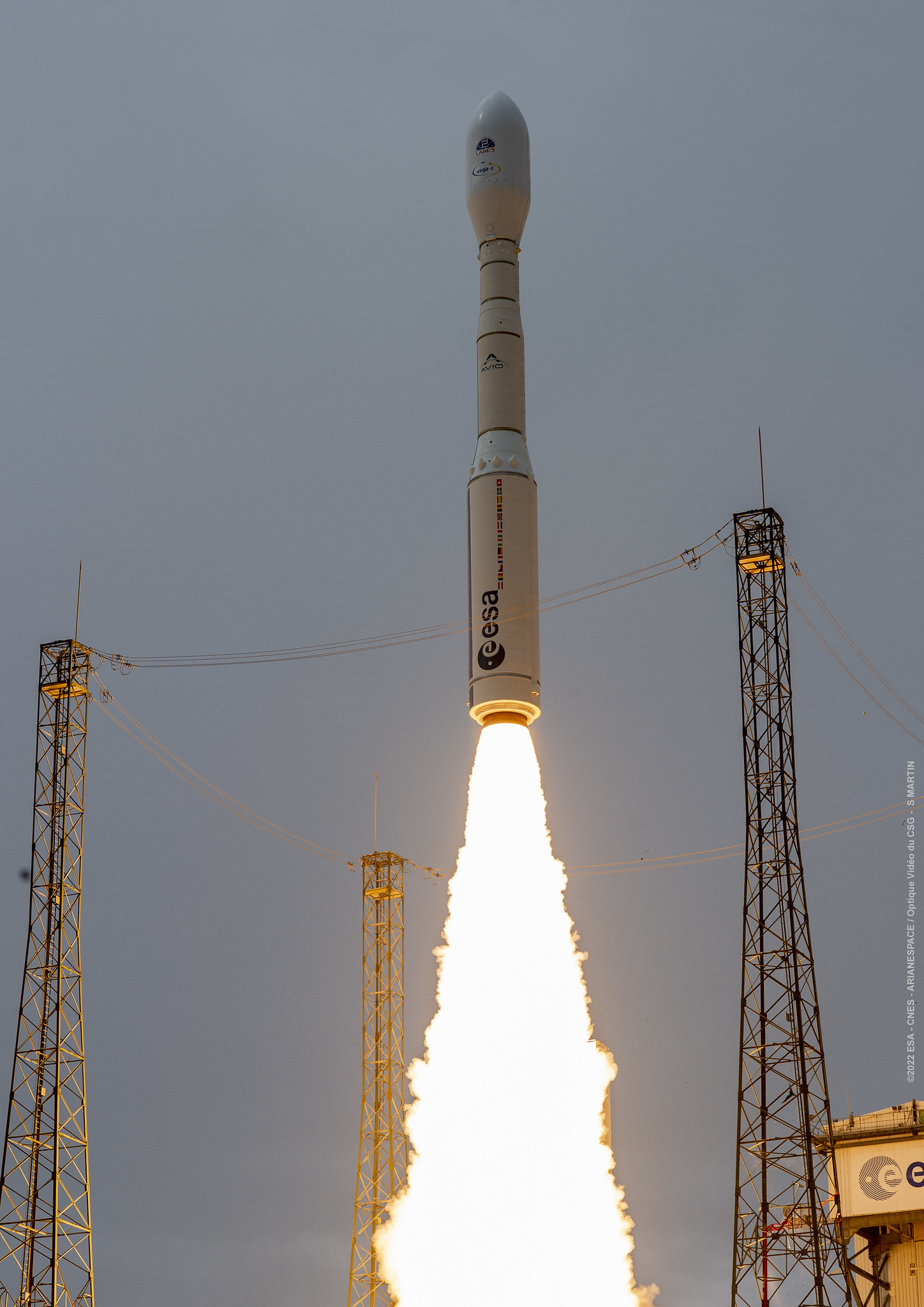
SEOSAT-Ingenio is a high-resolution optical imaging mission of Spain - the flagship mission of the Spanish space strategic plan. Its mission is devoted to ensure an even coverage of the areas of national interest, providing a large operational capability in the capture of high-resolution multi-spectral land optical images for numerous user groups, as well as supporting and optimizing the development in Spain of teledetection-based applications in Spain. The overall mission objective is to provide information for applications in cartography, land use, urban management, water management, environmental monitoring, risk management and security. TARANIS (Tool for the Analysis of RAdiation from lightNIngand Sprites), the Celtic god of thunder and lightning, is the first satellite designed to observe luminous, radiative and electromagnetic phenomena occurring at altitudes of 20 to 100 km over thunderstorms. Discovered 20 years ago, such transient luminous events (TLEs) such as red sprites, blue jets, elves, sprite halos, etc. remain shrouded in mystery. They are sometimes accompanied by terrestrial gamma-ray flashes (TGFs). The TARANIS microsatellite will fly over thousands of TLEs and TGFs for at least four years and will be capable of detecting these events and recording their luminous and radiative signatures at high resolution, as well as the electromagnetic perturbations they set off in Earth’s upper atmosphere. The payload includes numerous sensors to observe the TLEs and to perform in-situ measurements of perturbations caused on the local plasma (fields, waves and particles).
Ground vector
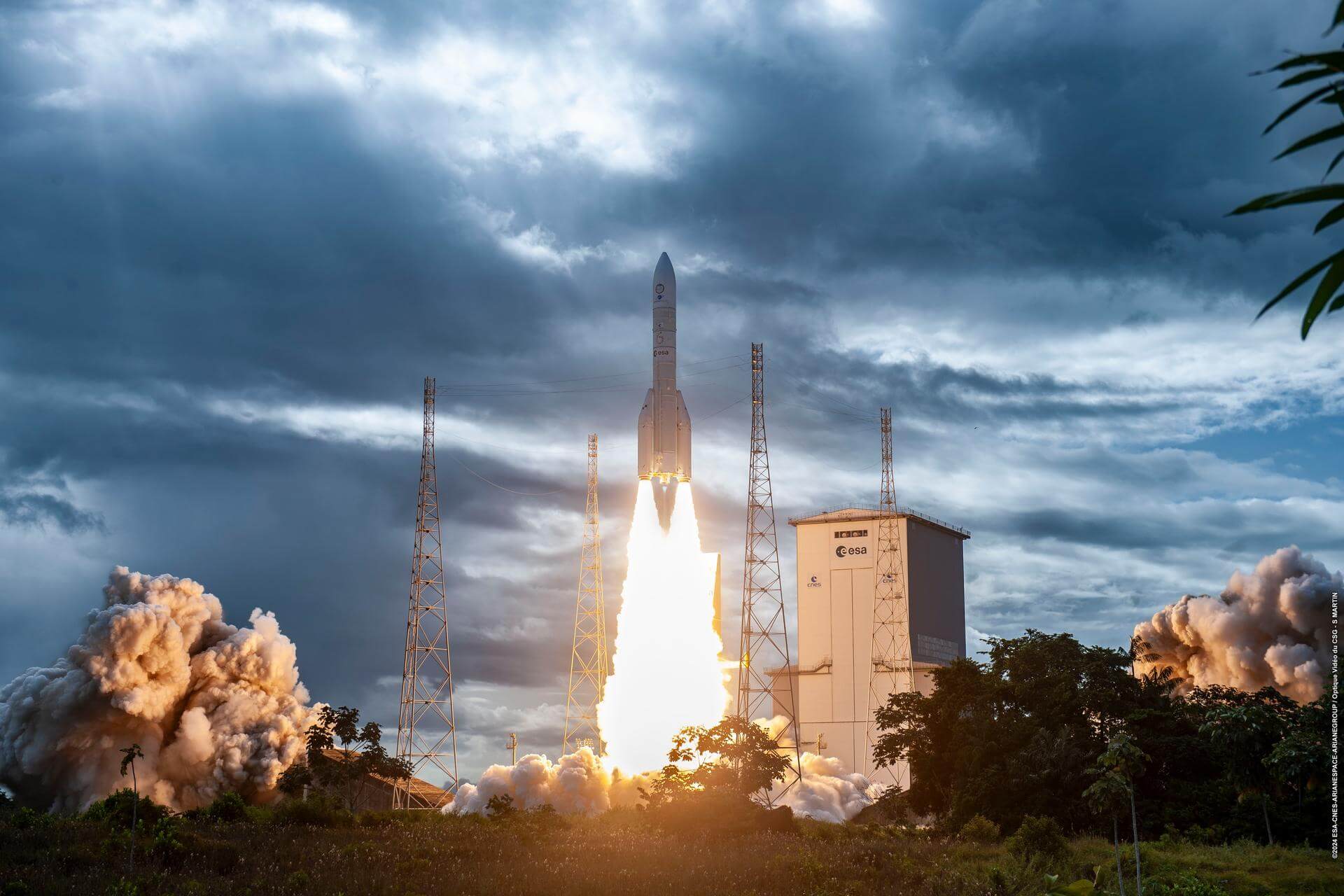
Ariane Launch Area 1 (ELV)
Guiana Space Centre, French Guiana
Launch commit criteria
Tracking no weather issues at this time.
01:52 AM UTC - 01:52 AM UTC
Provider
FRA • Founded 1980
Arianespace SA is a multinational company founded in 1980 as the world's first commercial launch service provider. It undertakes the production, operation, and marketing of the Ariane programme. Their vehicles...
No meaningful launch-time or status changes recorded.