 Manifest / 01
Go
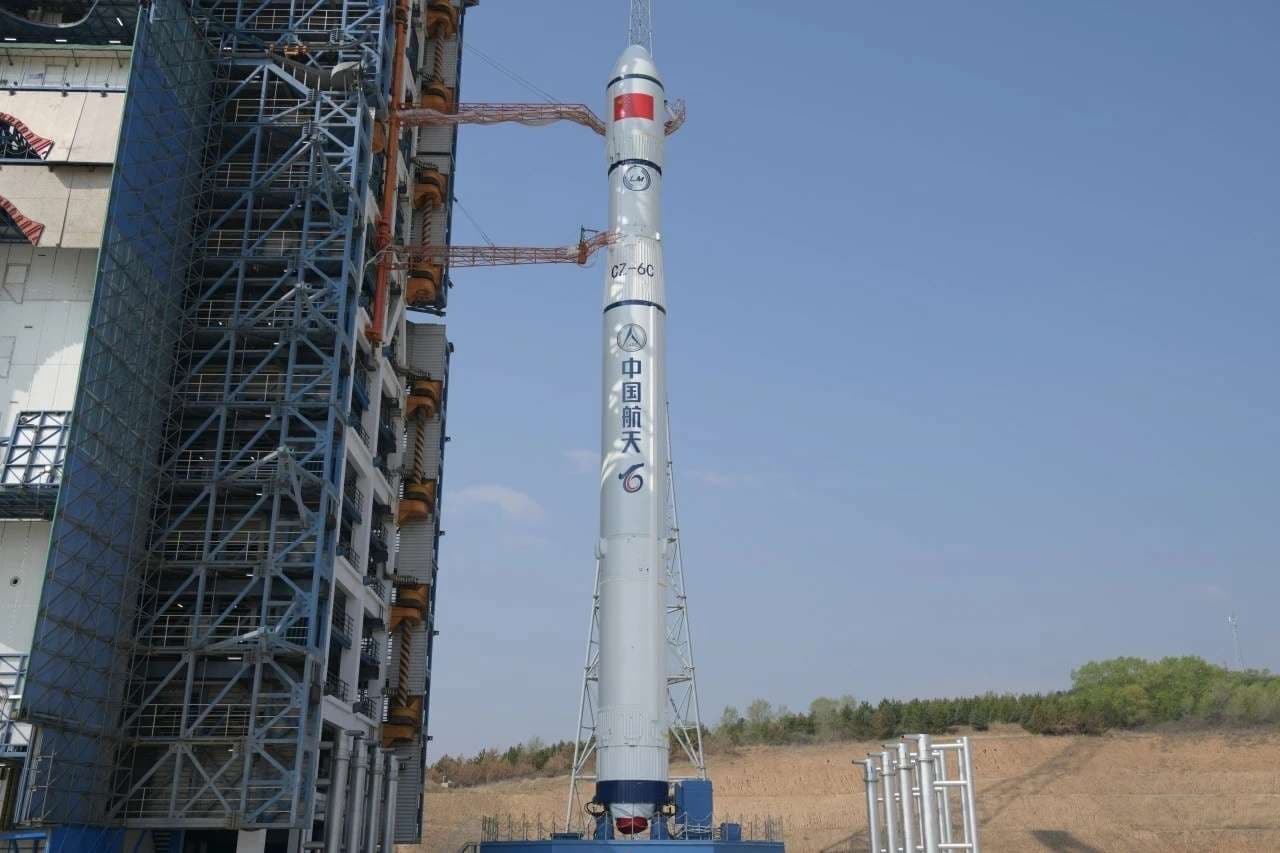
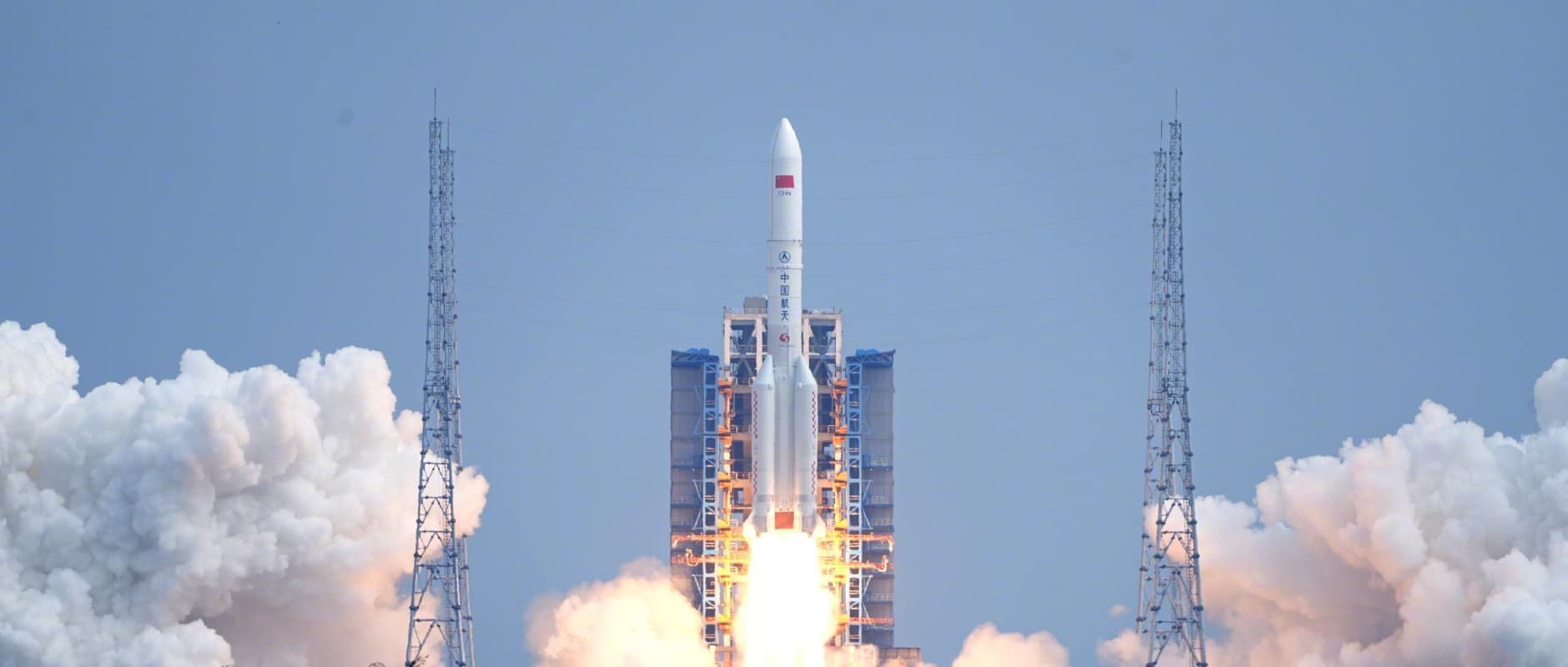
Chang'e 7
Long March 5
ProviderChina Aerospace Science and Technology Corporation
Pad101
DateAug 24, 2026
PrecisionAbout 12:05 AM UTC
Schedule watchTracking updates
T– about 1d 11hWindow opens 12:00 AM UTC
This mission is complete.
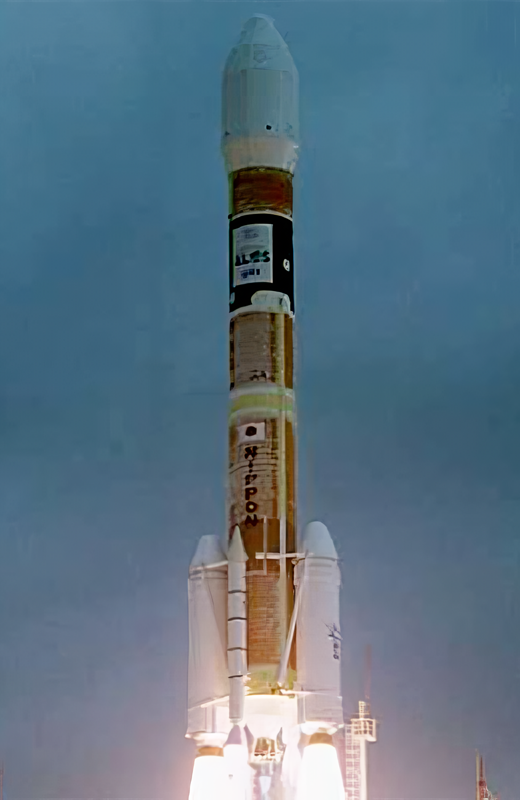
ALOS (Advanced Land Observation Satellite) is used for cartography, regional observation, disaster monitoring, and resource surveying. ALOS has three remote-sensing instruments: - the Panchromatic Remote-sensing Instrument for Stereo Mapping (PRISM) for digital elevation mapping with 2.5 meter resolution, - the Advanced Visible and Near Infrared Radiometer type 2 (AVNIR-2) for precise land coverage observation with 10 meter resolution, and - the Phased Array type L-band Synthetic Aperture Radar (PALSAR) for day-and-night and all-weather land observation. ALOS transmitts its data via the DRTS (Kodama) satellite. The ALOS was launched by an H-2A-2022 launch vehicle from the Tanegashima Space Center. ALOS as been given the nickname Daichi. Five minutes after spacecraft separation, ALOS began to unfurl its 72-foot solar array that will provide electrical power to the craft throughout its mission. Six cameras are on-board to visually verify the correct deployment of the solar panel and various instrument antennas. ALOS lost all power on 22. April 2011, thus ending the mission.
Ground vector
Yoshinobu Launch Complex LP-1
Tanegashima Space Center, Japan
Launch commit criteria
Tracking no weather issues at this time.
01:33 AM UTC - 01:33 AM UTC
Provider
JPN • Founded 2003
The Japan Aerospace Exploration Agency (JAXA) is Japan's national aero-space agency. Through the merger of three previously independent organizations, JAXA was formed on 1 October 2003. JAXA is responsible for...
No meaningful launch-time or status changes recorded.