 Manifest / 01
Go
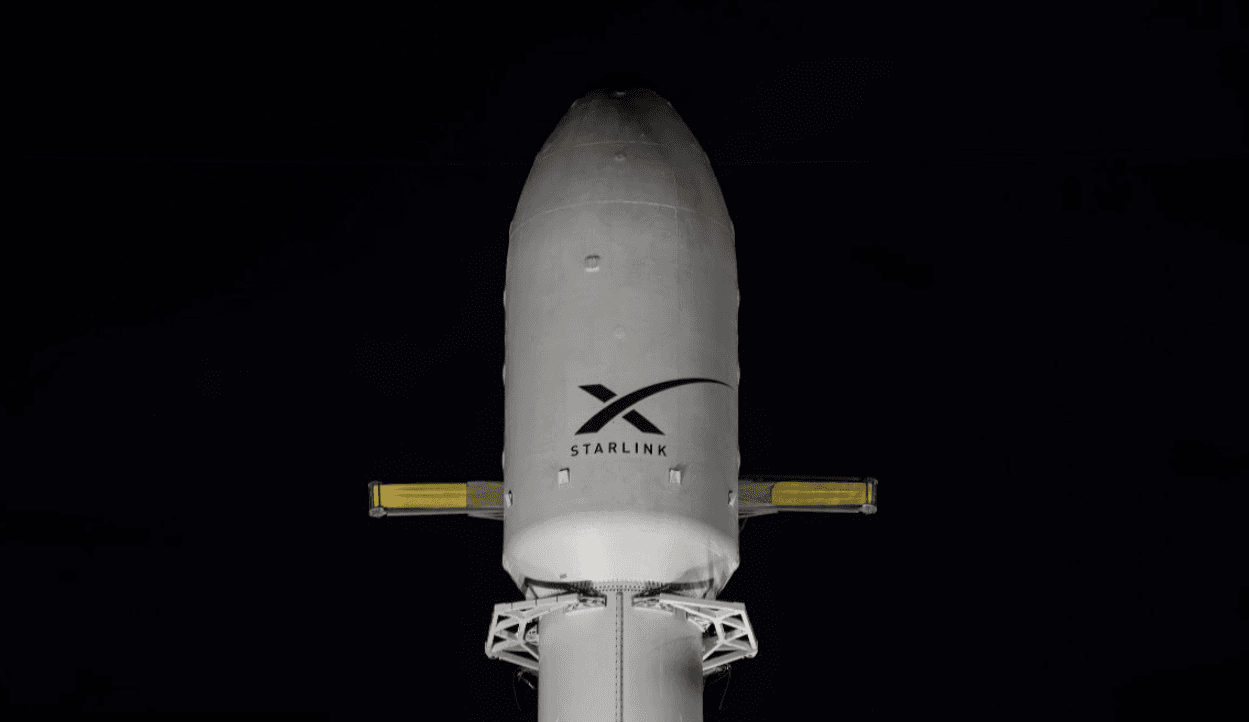
Starlink Group 10-39
Falcon 9 Block 5
ProviderSpaceX
PadSpace Launch Complex 40
DateAug 20, 2026
Time (UTC)03:19 PM UTC
Launch clockT– to liftoff
T-:::
Confirmed to the minute01
03
23
28
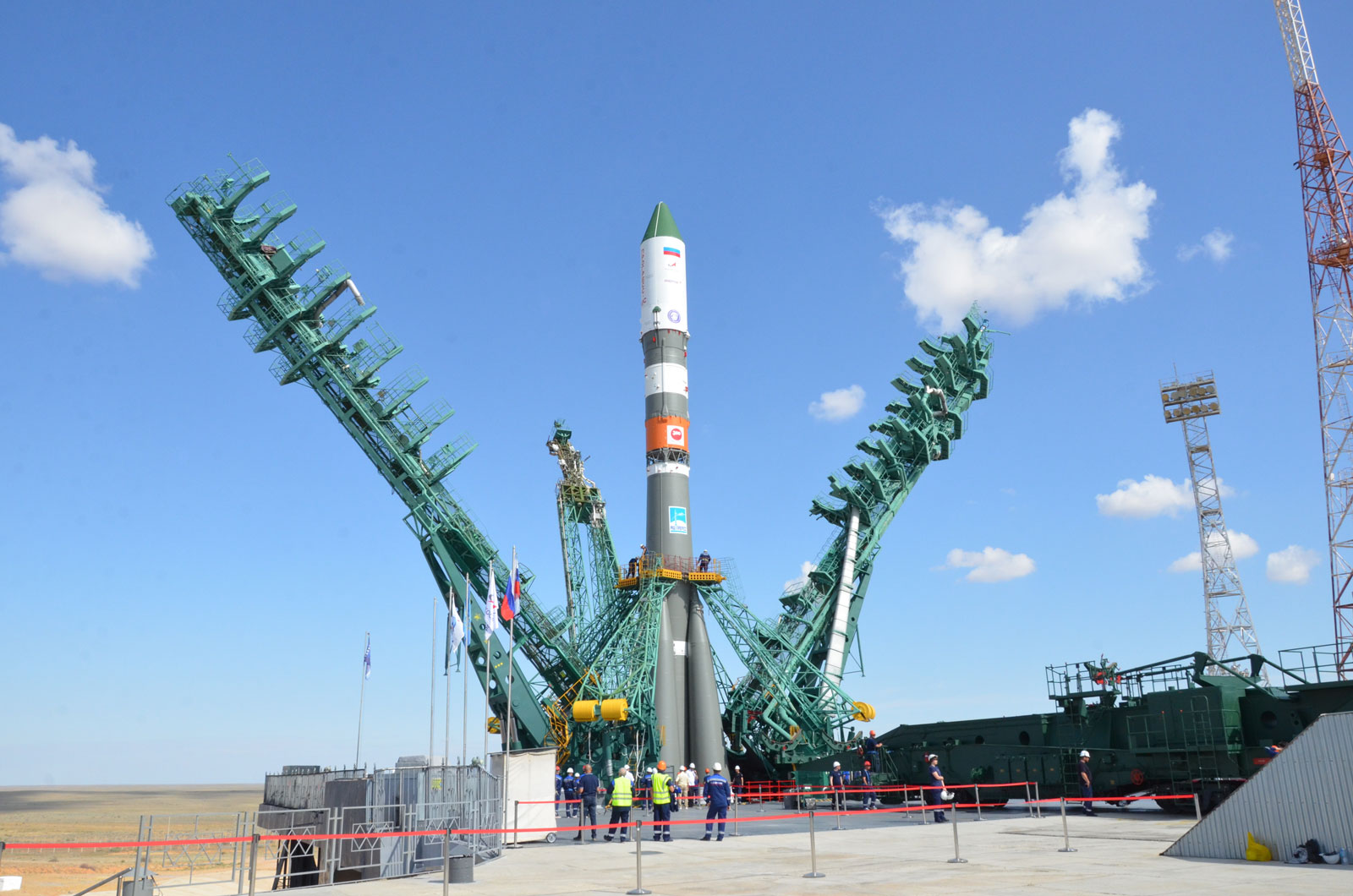
This mission is complete.
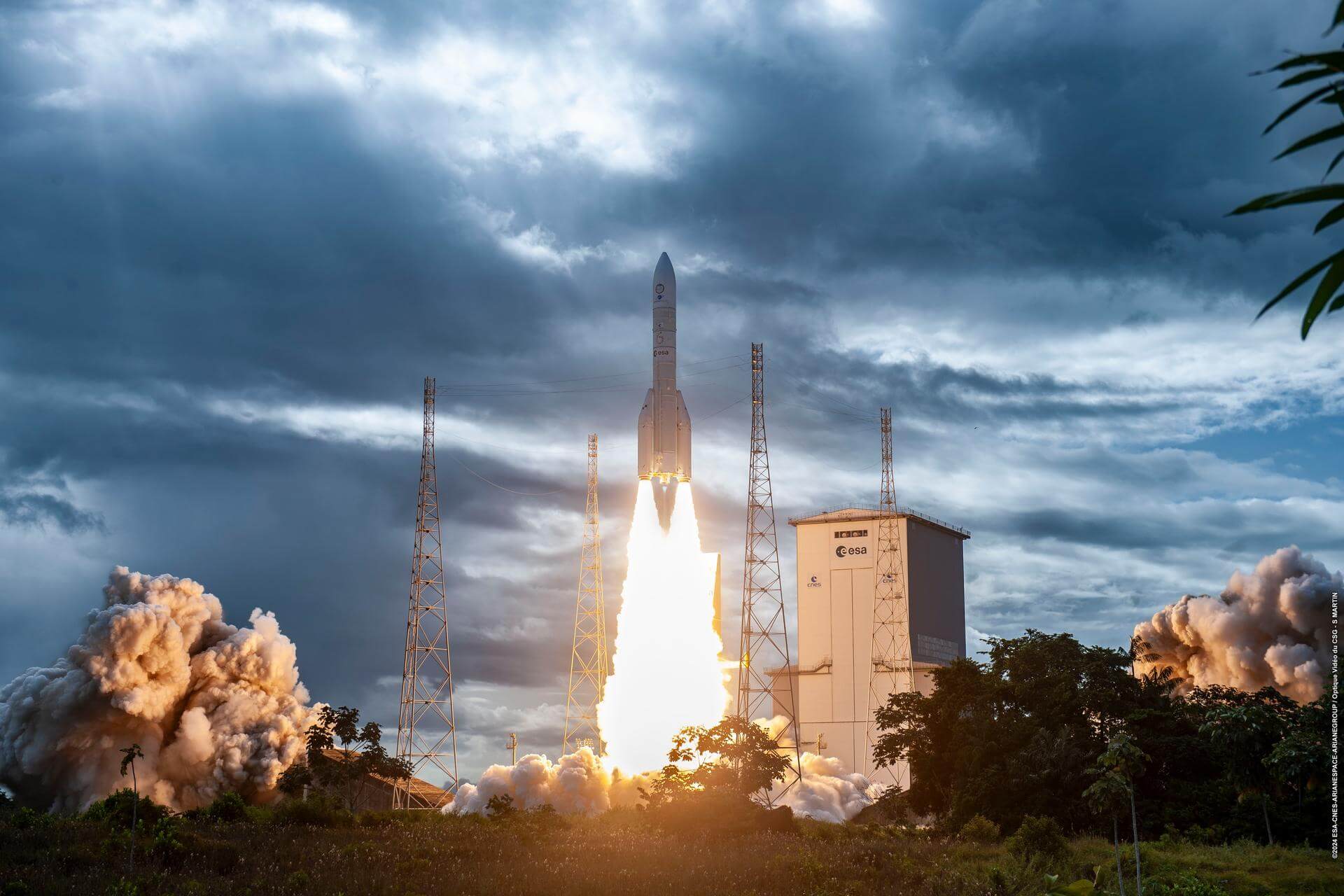
The COSMO-SkyMed Second Generation satellite (CSG-1) is an Earth observation spacecraft featuring state-of-the-art technologies and engineering solutions, further bolstering Italian leadership in this sector. It's one out of two satellites to replace the first generation COSMO-SkyMed system. This second-generation system, including its ground segment, will set a new performance standard for space-based radar observation systems in terms of precision, image quality and the flexibility of user services. It is a dual (civil/military) system, designed to address the requirements of both commercial and government customers, as well as the scientific community. The COSMO-SkyMed Second Generation satellites are equipped with synthetic aperture radar (SAR), capable of observations under any weather or light conditions, day or night. The Characterising Exoplanet Satellite (CHEOPS) is an ESA mission implemented in partnership – in particular with Switzerland. CHEOPS is the first mission dedicated to studying bright, nearby stars that already are known to host exoplanets in order to make high-precision observations of the planet's size as it passes in front of its host star. The spacecraft will focus on planets in the super-Earth to Neptune size range, with its data enabling the bulk density of the planets to be derived – a first characterization step towards understanding these alien worlds. Flight also includes 3 auxiliary payloads: OPS-SAT, EyeSat, ANGELS. OPS-SAT is the world’s first free-for-use, in-orbit test bed for new software, applications and techniques in satellite control. It enables new software to be tested in orbit. In the first year of operation, OPS-SAT will host over 100 in-flight experiments submitted from many ESA Member States. EyeSat is a 3U CubeSat designed to study the zodiacal light and image the Milky Way. It's fitted with an instrument called IRIS, which is a small space telescope. ANGELS is a 12U CubeSat, and is the French industry’s first nanosatellite. The satellite will be fitted with a miniaturized ARGOS Néo instrument, which is 10-times smaller than the equivalent previous-generation device. The instrument collects and determines the position of low-power signals and messages sent by the 20,000 ARGOS beacons now in service worldwide.
Ground vector
Soyuz Launch Complex
Guiana Space Centre, French Guiana
Launch commit criteria
Tracking no weather issues at this time.
08:54 AM UTC - 08:54 AM UTC
Provider
FRA • Founded 1980
Arianespace SA is a multinational company founded in 1980 as the world's first commercial launch service provider. It undertakes the production, operation, and marketing of the Ariane programme. Their vehicles...
No meaningful launch-time or status changes recorded.